Five products I took from problem to production.

Preview of Pixilmate
01

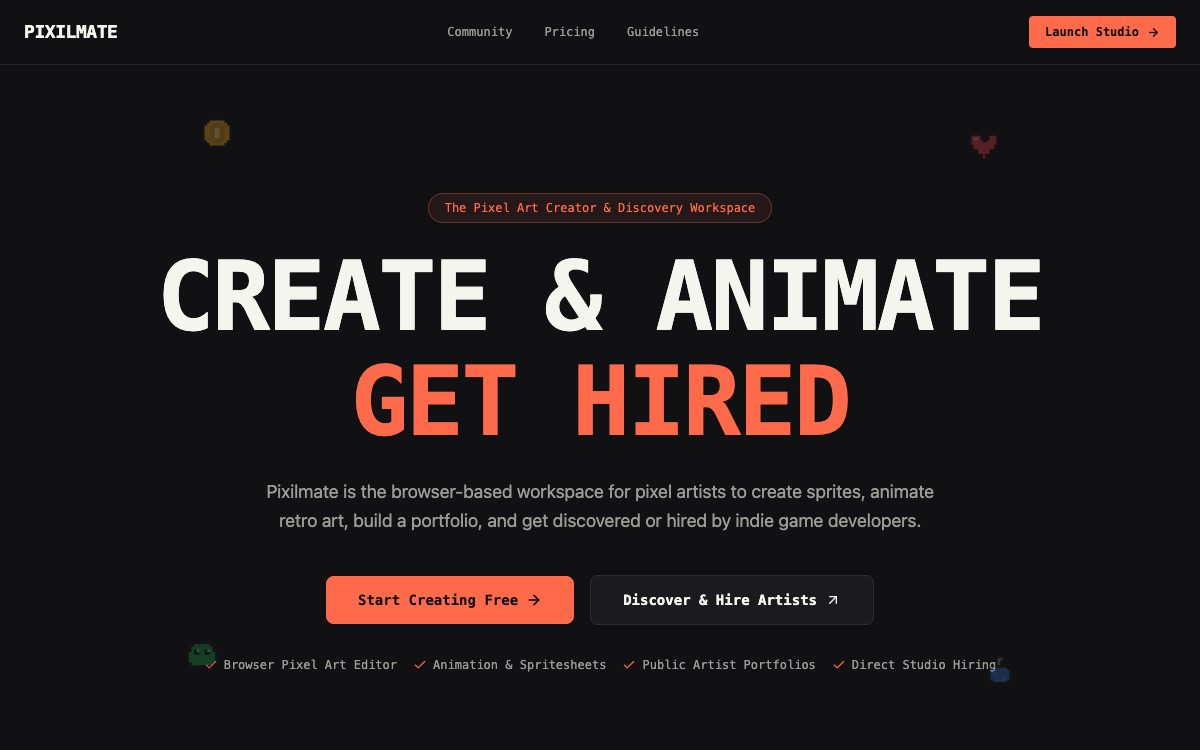
Pixilmate

Pixel art, animation, and a hiring path for artists

Pixel artists and indie game developers juggle separate tools to draw, animate, and export spritesheets, then juggle separate platforms again just to get noticed by studios that could hire them.

Outcome

Pixilmate is live at pixilmate.com and currently has 160+ users. AetherAI, an AI pixel platform out of Korea and Taiwan, retired their own editor and moved their whole pixel workflow onto it. Every product, design, and engineering call on Pixilmate still runs through one person, end to end.

Preview of ArchLab
02

ArchLab

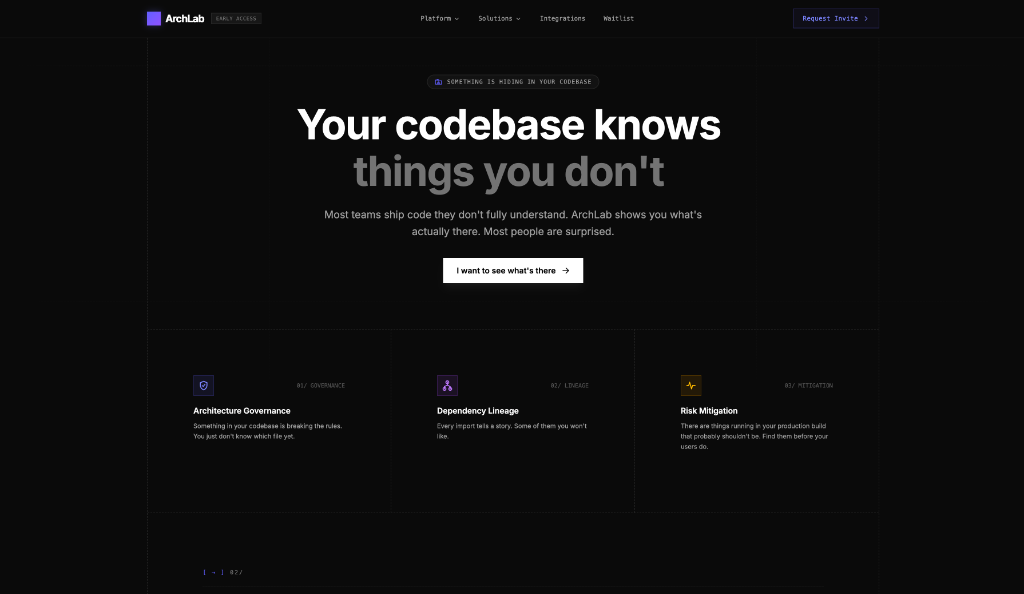
Local-first AI that maps codebase architecture

Understanding a codebase’s architecture usually means reading through files by hand or sending code to a third-party AI tool you may not want your source touching.

Outcome

Open source on GitHub. ArchLab is where my systems-thinking side shows up directly: I built the tool I wanted for reasoning about architecture, instead of looking for one.

Preview of Perchie
03

Perchie

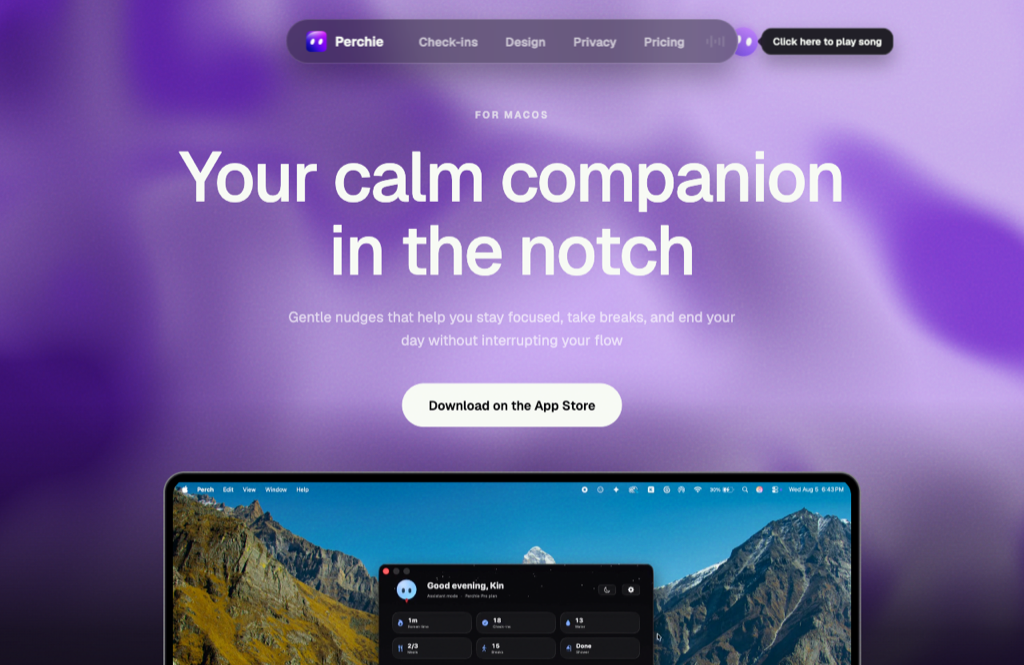
A calm companion that lives in the MacBook notch

People who work long hours at a screen get nothing looking out for the human doing the work. The wellbeing apps that exist fire on fixed timers, interrupt whatever you were in the middle of, and get muted within a day.

Outcome

Perchie is my RevenueCat Shipaton 2026 entry, built for the Mac App Store. I got so deep into chasing my dream that I forgot to eat, drink, or move, so I built the companion I wish I had, for the next builder before they learn it the hard way.

Preview of Gecko
04

Gecko

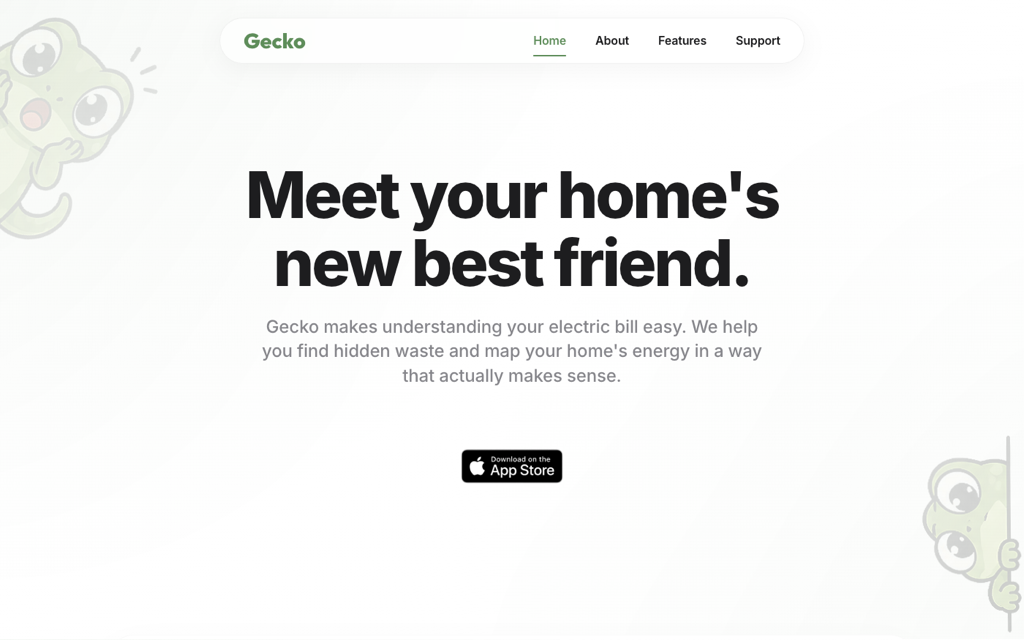
Real-time electricity tracking that ends bill shock

An admin at Southwestern University PHINMA told me she could not find a single app that properly tracked her electric bill. Filipino households get hit with bill shock at the end of the month with nothing showing the cost adding up while it happens.

Outcome

Gecko is on the App Store, with the newest build still on its way there. It is the first thing I carried the whole way from a real person’s problem to a shipped product, and it started with one sentence: I cannot find an app that does this.

Preview of Learning Pod
05

Learning Pod

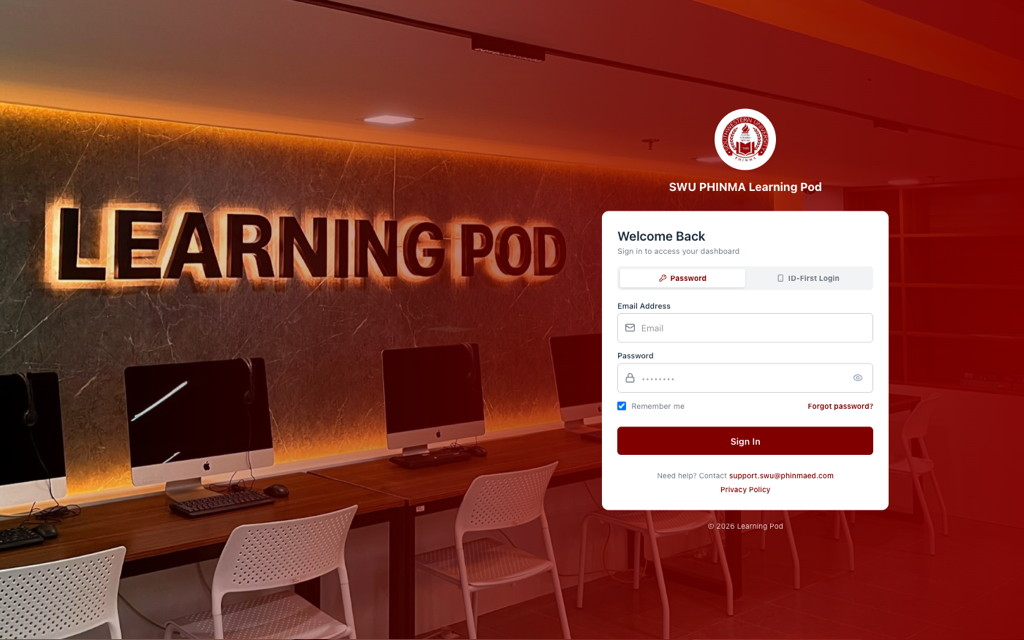
Role-aware platform for at-risk-student coaching

At Southwestern University PHINMA, one staff member ran the entire at-risk-student coaching program by hand across spreadsheets. As more students came through, that meant constant human error and no way to keep up.

Outcome

Learning Pod is live at learningpod.kinperez.com. It replaces the shared spreadsheets and the manual report cycle the program used to run on: referrals, coaching sessions, and every approval up to the President are now tracked in one place instead of passed around by hand.

Preview of Pixilmate

Product design · Frontend · Backend · AI integration · Founder

What I built

  • A pixel editor and animation workflow that takes artists from a blank canvas to an exportable spritesheet in one tool
  • A community showcase gallery where artists post work, enter challenges, and get discovered
  • A direct hiring path between artists and game developers with 0% commission on the platform

The hard part

The hardest technical problem was storage: raw pixel canvases balloon fast, and cloud costs scale with every artist’s file history. I decided to encode runs of identical pixels instead of storing every pixel individually. Pixel art is mostly flat color regions, so this compresses extremely well without losing a single pixel of data: a 48MB canvas becomes about 124KB, and decodes back to full resolution in under a millisecond.
Preview of ArchLab

Product design · Full-stack engineering · AI systemsOpen Source

What I built

  • A tool that analyzes a project’s architecture entirely on your own machine, with nothing sent externally
  • An interactive canvas mapping how the frontend and backend connect, plus a step-by-step check for security, performance, and scaling issues
  • Six focused AI agents (security, performance, database, code quality, architecture, orchestration) that reason about the system, and a way for other AI tools to plug directly into it

The hard part

The hardest call was refusing the easy path: wrapping a cloud AI API and calling it done. I decided every agent had to run entirely on the developer’s own machine instead, with nothing about their codebase ever leaving it. Privacy isn’t something you bolt on later, and a tool that starts by asking teams to trust a cloud API with proprietary code will never get adopted by the teams that need it most. All six agents run against a local pipeline and render straight into the canvas, no network round trip required.

Preview of Perchie

Product design · macOS engineering · Founder

What I built

  • A companion that lives in the MacBook notch and checks in out loud at natural pauses: a morning hello, a nudge to drink or stretch after too long on screen, and a one-tap wind-down that ends the day and puts the Mac to sleep
  • A read of safe local signals only, session length, idle time, calendar, quiet hours, and the frontmost app, with nothing about the user ever leaving their machine
  • Six companion personalities with a hand-written check-in library, a native Liquid Glass panel that drops from the notch, and a one-time purchase with no subscription and no account

The hard part

The hard part was timing, not the interface. An early reminder engine marked a check-in as shown the moment it qualified, so when a higher-priority nudge qualified in the same five-second tick as a lower one, the lower one was silently and permanently skipped. I rebuilt it so a check-in only commits to its fired state on confirmed delivery, never on qualifying. The same rule shapes the product: Perchie never speaks while you are mid-flow, only once you have already paused, because a companion that interrupts is one you turn off.

Preview of Gecko
04

Gecko

2026

Product design · Flutter engineering · Founder

What I built

  • A phone app that tracks electricity per device in real time: switch a device on and watch its kWh and cost climb against the month so far
  • An energy-trend chart that separates the whole household’s draw from just the devices running right now, with every day kept as its own permanent record
  • Fully local: everything persists on the device, no account and no backend

The hard part

Gecko started in React Native, and a tab bar that jittered on every screen change turned into the kind of bug that swallows a week. I decided to rewrite the whole app in Flutter instead of patching around it. Throwing away working code stings, but shipping on a foundation you are fighting is slower in every direction, and the rewrite had paid for itself before the app was back to where it started.

Preview of Learning Pod

Product design · Full-stack engineering · Systems

What I built

  • A role-aware platform where each of the six institutional roles sees exactly what they need and nothing more, enforced at the database with row-level security
  • Referral, scheduling, coaching-session, and attendance tracking, with PDF and Excel report generation
  • A staged approval workflow: Staff pushes a report, Admin reviews and can send it back, Admin escalates, the President gives final sign-off, so every institutional change stays accountable

The hard part

The hard part was scale. This is the whole scholarship program, thousands of students, and the same screens have to enforce six roles down to the individual row: a President sees read-only KPIs, a Coach sees only their own students. I pushed that into row-level security at the database instead of guarding it in the interface, so a missed check in a component cannot leak anything, and every referral list, session log, and report stays filtered per-user without slowing down as the student count climbs.

One more, on the smaller side.